
 07 June 2025
Build Greener: How ALFORCE ACPs Help You Achieve Your Sustainable Architecture Goals
Introduction
Environmental requirements have fundamentally changed how construction teams select building materials. Regulatory frameworks, client demands, and market pressures now require demonstrable sustainability performance. Project success increasingly depends on materials that deliver measurable environmental benefits without compromising construction timelines or budgets.
ALFORCE aluminum composite panels address this challenge by combining multiple sustainability features within proven building components. These systems support recyclability requirements, enhance energy performance, and provide extended service life that reduces long-term environmental impact. Understanding their contribution to green building certifications helps teams achieve project goals more effectively.
The critical factor isn't whether materials claim environmental benefits - it's selecting products with verified performance under actual construction conditions.
Construction Industry Environmental Impact
Building activities generate substantial environmental impacts through energy consumption, material usage, and waste generation. Traditional facade systems often involve resource-intensive production methods and limited end-of-life recovery options.
Successful sustainable projects require materials that perform across multiple criteria: reduced production impact, extended service life, energy efficiency contributions, healthy indoor environments, and practical recycling potential.
ALFORCE ACP Environmental Performance
Design and Manufacturing Approach
ALFORCE panels integrate environmental considerations throughout their design and production. Aluminum construction delivers decades of performance while maintaining full recyclability. Core materials may include recycled content, enhancing overall environmental profiles.
Production processes emphasize resource efficiency through waste minimization, energy optimization, and emission reduction compared to alternative facade systems. Coating systems extend service life, reducing replacement frequency and long-term environmental impacts.
Building Lifecycle Considerations
Production: Manufacturing incorporates energy-efficient equipment and material recovery systems. Production waste gets captured and reintegrated rather than disposed, reducing overall environmental impact.
Operation: Panels contribute to building energy efficiency through thermal performance and solar reflectance characteristics. Appropriate finishes reduce heat absorption, decreasing cooling energy demands.
Disposal: Aluminum components retain economic value throughout their lifecycle, supporting effective recycling programs during renovation or demolition.
Aluminum Recycling in Construction
Material Characteristics
Aluminum provides unique recycling advantages relevant to both environmental goals and project economics. The material maintains its fundamental properties through repeated recycling cycles, creating truly circular material flows that preserve value rather than creating waste.
Aluminum recycling consumes approximately 5% of the energy required for primary production from bauxite ore. This energy reduction translates directly into lower carbon emissions and reduced manufacturing impacts.
Recycled aluminum maintains substantial market value, providing economic motivation for collection and processing infrastructure. This creates viable recycling systems based on market principles.
Design for Recyclability
ALFORCE panels can be designed and installed to facilitate future material recovery:
- Mechanical Fastening: Using reversible fastening systems instead of permanent adhesives enables easier disassembly during renovation or demolition.
- Material Identification: Clear component marking helps recycling facilities identify and properly process different materials.
- Separation Technology: Modern recycling processes can separate aluminum faces from core materials, allowing each component to enter appropriate recovery streams.
Recovery Process
Used panels enter specialized recycling facilities where components undergo sorting and processing. Aluminum faces follow standard recycling procedures—melting and reforming for new applications. Core materials, depending on composition, enter plastic recycling streams or energy recovery processes.
Green Building Certification Contributions
LEED Credit Support
ALFORCE ACPs contribute to Leadership in Energy and Environmental Design certification across multiple credit categories:
- Materials and Resources: Panels containing recycled aluminum content support recycled material credits. Local sourcing contributes to regional material requirements. Precise manufacturing reduces installation waste.
- Energy and Atmosphere: Proper installation with thermal breaks improves envelope performance. Reflective finishes contribute to heat island reduction strategies.
- Innovation in Design: Materials with documented environmental benefits demonstrate innovative sustainable design approaches.
Additional Certification Programs
BREEAM: Panels support material selection criteria and energy efficiency requirements while aligning with waste reduction objectives through design for disassembly.
Green Star: Recyclability and energy performance improvements contribute to multiple credit categories within this certification system.
Living Building Challenge: Material recyclability and durability help meet the demanding requirements of this advanced sustainability standard.
WELL Building Standard: Low-emission materials and surfaces support indoor air quality objectives within health-focused certification frameworks.
Building Energy and Climate Performance
Envelope Performance
ACPs with appropriate thermal breaks contribute to building envelope efficiency, reducing heating and cooling energy requirements. Quality installation details minimize air infiltration, supporting overall energy performance goals. Aluminum construction provides controlled thermal mass that helps moderate temperature fluctuations in suitable climates.
Heat Island Mitigation
Light-colored ALFORCE finishes achieve high solar reflectance values, reducing heat absorption and contributing to urban heat island reduction. Aluminum construction and specialized coatings provide excellent thermal emissivity, helping surfaces release absorbed heat efficiently.
Reflective facades can reduce ambient temperatures around buildings, creating more comfortable outdoor environments and reducing cooling loads for neighboring structures.
Carbon Impact Analysis
Production: Energy-efficient manufacturing processes minimize carbon emissions during production compared to alternative facade materials.
Transportation: Lightweight panel construction reduces transportation-related emissions compared to heavier materials like stone or precast concrete.
Installation: Faster installation reduces construction site energy consumption and equipment usage, minimizing project carbon footprints.
Sustainable Manufacturing Practices
Production Methods
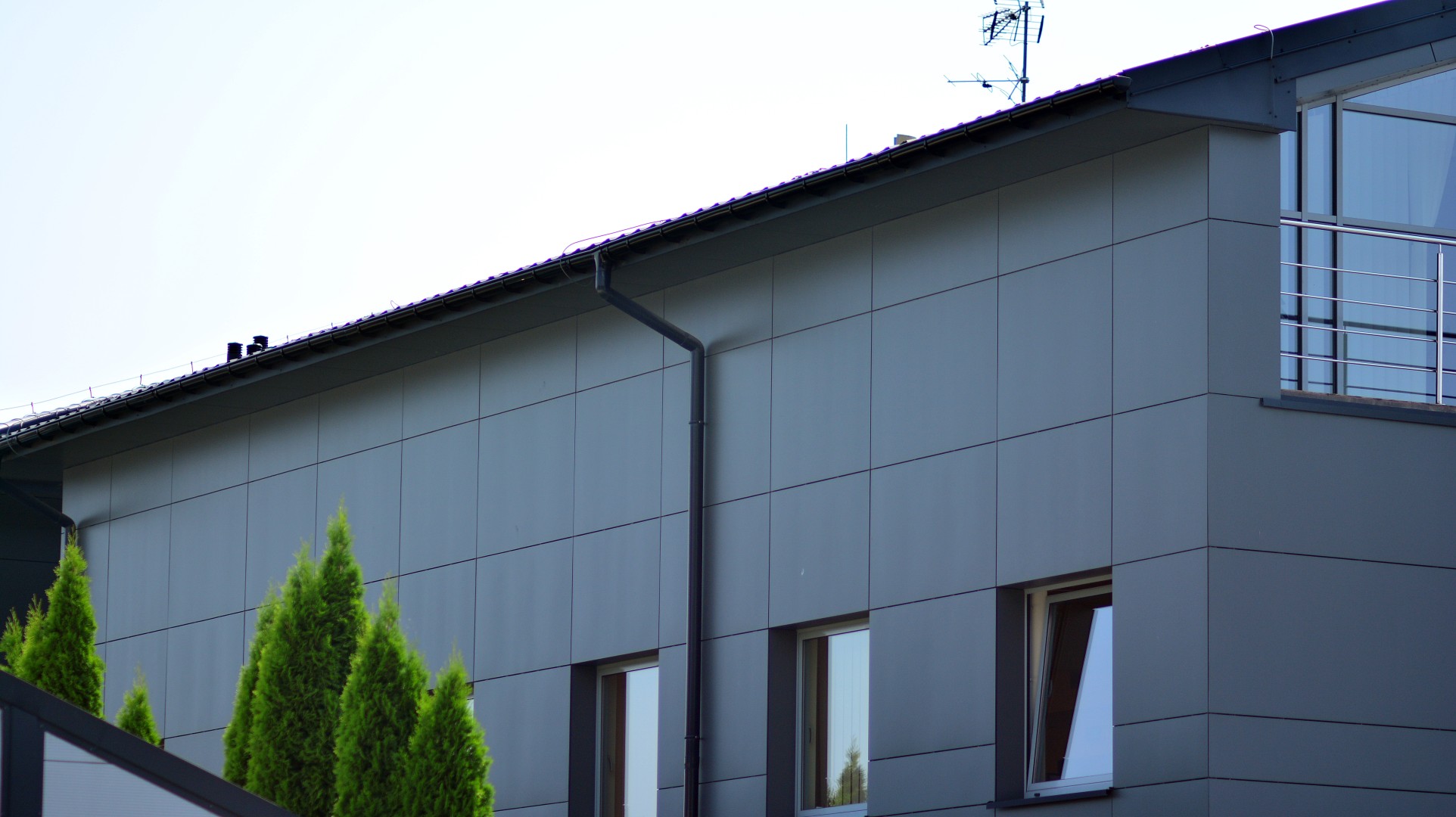
ALFORCE manufacturing incorporates energy-efficient equipment and waste recovery systems. Closed-loop processes capture and reuse production materials rather than generating disposal streams.
Water recycling systems reduce consumption and eliminate contaminated discharge. Progressive manufacturers increasingly incorporate renewable energy sources, further reducing carbon footprints.
Quality and Longevity
ALFORCE panels with high-quality PVDF coatings maintain appearance and performance for 20-30 years, reducing replacement frequency and associated environmental impacts.
Durable surfaces require minimal cleaning and maintenance, reducing ongoing environmental impacts from maintenance activities. Superior weather resistance prevents premature failure and extends service life.
Technology Innovation
Core Material Development
Research continues into bio-based core materials that could enhance ACP sustainability. Cores incorporating post-consumer recycled content improve environmental profiles while maintaining performance standards.
Development of cores from renewable resources supports circular economy principles in building material production.
Coating Technology
Advanced coating formulations minimize volatile organic compound emissions during production and throughout building service life. Photocatalytic coatings reduce maintenance requirements while improving local air quality by breaking down surface pollutants.
Enhanced coating durability extends panel service life, reducing replacement frequency and associated environmental impacts.
Manufacturing Innovation
Process improvements reduce energy consumption and waste generation through enhanced control and optimization. Digital monitoring systems optimize material utilization and minimize waste through real-time process adjustment.
Supply chain improvements reduce transportation impacts while ensuring responsible material sourcing.
Economic Considerations
Lifecycle Cost Analysis
High-quality panels provide extended service life that minimizes replacement expenses over building lifecycles. Thermal performance contributions reduce operational energy costs throughout building use.
Durable surface characteristics reduce cleaning and maintenance frequency, decreasing long-term operational expenses.
Financial Incentives
Buildings with green certifications typically achieve higher rental rates and sale prices, providing economic returns that offset sustainable material premiums.
Many jurisdictions provide tax benefits for buildings meeting green certification standards. Energy-efficient envelope systems often qualify for utility rebate programs that reduce initial project costs.
Future Developments
Emerging Technologies
Development continues on panels with adaptive properties that respond to environmental conditions. Integration of photovoltaic capabilities could enable on-site energy generation.
Air purification capabilities through photocatalytic properties represent another area of ongoing development.
Circular Economy Integration
Manufacturer take-back programs for end-of-life panel recovery are under development. Digital material passports could track composition and recycling requirements throughout building lifecycles.
Panel designs optimized for disassembly and material recovery support circular economy principles.
Regulatory Evolution
Building codes increasingly focus on lifecycle carbon emissions rather than just operational energy. Extended producer responsibility policies may require manufacturers to manage end-of-life material recovery.
Green public procurement requirements create markets for sustainable materials in government projects.
Implementation Strategies
Design Phase Integration
Include sustainability specialists in early design phases to maximize environmental benefits. Consider material selection as part of integrated building performance strategies rather than isolated decisions.
Align material selections with specific green building certification requirements from project inception.
Specification Development
Focus on environmental performance requirements rather than prescriptive material specifications. Require environmental product declarations and third-party certifications for verification.
Include disassembly and recycling requirements in project specifications to support end-of-life material recovery.
Construction Management
Implement comprehensive waste management plans that maximize material recovery during construction. Ensure proper installation to achieve intended environmental performance benefits.
Maintain detailed documentation for future maintenance and end-of-life processing requirements.
Conclusion
ALFORCE aluminum composite panels provide construction teams with materials that address multiple sustainability challenges simultaneously. Aluminum construction ensures recyclability while manufacturing processes minimize environmental impact. Extended service life reduces replacement frequency and associated environmental costs.
These panels contribute to green building certifications through recycled content, energy performance, and waste reduction. Their thermal properties and reflective characteristics support building energy efficiency while aluminum recyclability enables circular economy participation.
Success with sustainable building materials requires understanding both environmental benefits and practical application requirements. ALFORCE panels demonstrate how modern building products can meet complex sustainability requirements while delivering reliable construction performance.
The construction industry continues evolving toward greater environmental responsibility. Materials that provide documented environmental benefits while meeting practical construction demands give teams the tools needed for successful sustainable projects. Understanding these capabilities provides the foundation for informed material selection that supports both project success and environmental goals.


