
 15 Nov 2025
Luxury ACP Texture Guide: Wood, Marble, Mirror & More
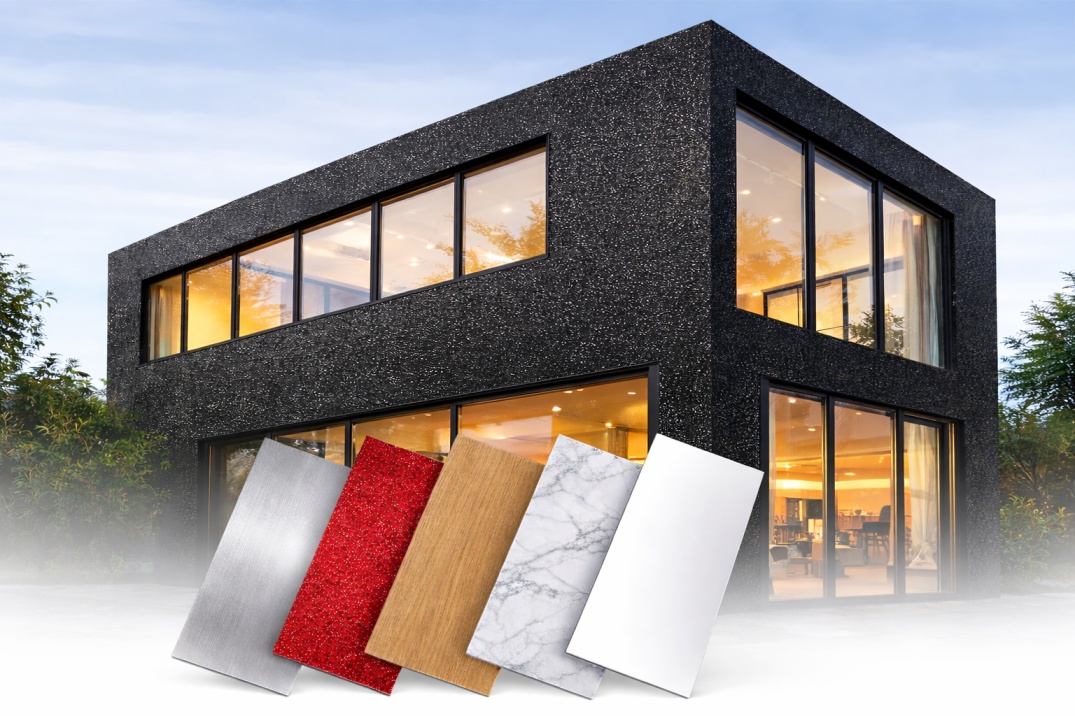
Texture changes everything about how a space feels. Two rooms with identical dimensions and lighting can feel worlds apart—one with plain white walls, the other with rich wood grain panels. The difference is dramatic. That's texture at work in architecture, and it's why aluminum composite panels with premium finishes have opened up new possibilities for designers and builders.
At Alforce, we've built a range of textured ACP series that goes well beyond basic solid colors. Each series serves different needs, and knowing what each texture brings helps you choose better for your projects.
The Wooden Series: Natural Aesthetics Without the Drawbacks
Wood's been used in buildings for thousands of years. People are drawn to it—it's warm, inviting, has character. But using real wood in architectural applications means dealing with termites, warping from humidity, ongoing maintenance, and more recently, sustainability questions.
Our Wooden Series ACP gives you wood's visual appeal minus those headaches. The grain patterns and textures look authentic from normal viewing distances. You get that natural aesthetic people instinctively respond to.
The practical side counts too. These panels are termite-proof—no treatments required, no pest worries. In Kerala's humid climate, where real wood warps or develops mold, these panels hold their appearance. They skip the regular sealing, staining, or treatment of real wood demands.
The Wooden Series has worked particularly well in hospitality projects, residential facades, and interior accent walls where designers want warmth minus ongoing maintenance. Retail spaces use them for that upscale, natural feel customers link with quality brands.
Worth noting on sustainability: you're getting the wood look without harvesting timber. For projects where environmental responsibility matters—and that's most projects these days—this counts.
The Marble Series: Royal Touch Without the Weight
Marble's always meant luxury. Marble lobbies, marble countertops, marble accents—they signal a certain quality level and investment. Real marble, though, is heavy, expensive, needs skilled installation, and can be fragile despite looking solid.
Our Marble Series ACP delivers that premium marble finish minus the complications. The panels reproduce marble's characteristic veining and color variations. For building facades, lobby walls, or interior feature walls, they create marble's visual impact at a fraction of the weight and cost.
Weight matters more than people often think. Real marble adds major structural load. Your building has to support it, affecting foundation requirements and structural systems, sometimes limiting where you can use it. ACP with marble finish weighs far less, opening up applications that wouldn't work with real stone.
Installation goes simpler and faster. Less specialized labor needed, quicker completion, lower damage risk during installation. Once installed, maintenance is straightforward—no sealing, no worrying about etching from acidic substances, no staining concerns.
We've handled projects where the Marble Series transformed spaces that couldn't have used real marble—upper floors where weight was an issue, tight budgets wanting that upscale look, projects with aggressive timelines that couldn't wait for slow marble installation.
For healthcare facilities like the Simons Eye Hospital locations or commercial spaces like the Nanthilath sites, the Marble Series gave that professional, premium appearance crucial for first impressions.
The Mirror Series: Creating Visual Dimensions
Mirror finishes in architecture do something interesting—they manipulate how you perceive space. They reflect surroundings, make spaces feel larger, create visual complexity. Actual mirror glass in exterior applications presents challenges though: breakage worries, weight, limited sizing, difficulty with curved or complex surfaces.
Our Mirror Series ACP uses advanced lacquer technology to get that reflective finish. The panels create visual interest through reflection while keeping the durability and workability of aluminum composite panels.
These work especially well in urban commercial projects where building facades need to stand out. The reflective quality catches light throughout the day, creating changing visual effects. Retail facades use mirror finishes to draw attention and create that premium brand impression.
Interior applications are interesting too. Elevator lobbies, reception areas, feature walls in commercial spaces—anywhere you want to create expanded space or add visual drama.
The practical angle: unlike actual mirrors, these panels handle exterior exposure without the degradation concerns of backed mirror glass. They're lighter, easier to install, and handle transportation and installation stresses better than fragile mirror glass.
Long-lasting brilliance is built into the lacquer technology. The reflective quality doesn't deteriorate fast like some metallic finishes can. Years later, the panels maintain that mirror effect.
The Metallic Series: Modern Sophistication
Metallic finishes land in a sweet spot between bold and refined. They catch light, create subtle visual interest, read as contemporary without being pushy about it. The Metallic Series gives that sophisticated glint that works across various applications.
What makes metallic finishes versatile is how they look premium without overwhelming. They bring enough visual interest to lift a facade beyond basic solid colors, but they're not as attention-grabbing as mirror or sparkle finishes. This makes them work for corporate offices, municipal buildings, healthcare facilities—anywhere needing to look modern and professional without flash.
The insulation properties count too. The metallic surface gives superior thermal performance compared to darker, heat-absorbing finishes. In climates with serious sun exposure, this means real energy efficiency benefits.
We've used the Metallic Series extensively on projects needing that modern, clean aesthetic. Municipal buildings like the Palakkad Town Hall benefit from the professional appearance. Commercial complexes like those in Olavakkode and Koilandy get a contemporary look signaling quality without trying too hard.
The Glossy Series: When You Want Shine
Glossy finishes are about impact. They're reflective, eye-catching, vibrant. When a project needs visual drama—retail signage, entertainment venues, accent features—the Glossy Series delivers.
These panels shine brilliantly under lighting, making them particularly effective for applications where you want to grab attention. Storefront facades, signage applications, feature walls in commercial interiors—anywhere visibility and impact matter.
The versatility surprises people. While glossy finishes work for attention-grabbing applications, they're also effective in subtler ways. Roof edging detail, for instance, where that crisp shine creates clean visual lines. Interior accent panels where you want contrast without texture.
Durability is built in. That glossy finish isn't just surface-level—it's engineered to maintain its shine through weather exposure, cleaning, and normal wear. Projects using the Glossy Series maintain that fresh, vibrant appearance years later.
The Brush Series: Contemporary Artistic Appeal
Brush finishes occupy interesting territory—they're clearly contemporary, obviously intentional, but they get sophistication through subtlety rather than shine. The brushed texture creates visual interest through light and shadow play rather than reflection.
These panels work beautifully when you want a space to feel refined but not cold. The texture adds warmth that pure metallic or mirror finishes can lack. You get that modern aesthetic but with more approachability.
Interior applications particularly benefit from brush finishes. Office spaces, reception areas, interior feature walls—they give visual interest without the intensity of mirror or glossy finishes. They read as thoughtful, designed, intentional.
The brushed texture creates subtle patterns that change depending on where you're standing and how light hits them. This brings visual complexity that keeps spaces interesting without becoming cluttered or excessive.
Brush finishes have worked well in projects needing balance between contemporary and approachable—healthcare facilities that should feel modern without feeling sterile, commercial spaces going for upscale without losing warmth.
The Sparkle Series: Adding Magic to Environments
Sparkle finishes do what the name suggests—they add glitter to surfaces. This isn't trying to be subtle. It's about creating those little moments of visual surprise, spaces that feel special and worth remembering.
How sparkle finish interacts with light is where things get interesting. Natural daylight, artificial lighting, light shifting throughout the day—each creates different effects. Spaces end up feeling dynamic rather than static.
Applications vary considerably. Retail environments use sparkle finishes to create that discovery and excitement customers respond to. Entertainment venues, hospitality projects, even residential accent features—anywhere you're trying to create emotional impact through what people see.
Sparkle finishes work surprisingly well both indoors and outdoors. Exterior applications catch sunlight through the day, creating changing visual effects. Interior applications work with designed lighting to set specific moods.
The Sparkle Series shows that architectural materials don't always need to be serious or understated. Sometimes what a space needs is joy and delight.
The Solid Series: Understated Elegance
After discussing all these dramatic finishes, let's talk about the Solid Series—clean, consistent colors without texture or shine. These are the workhorses, the reliable options that create clean, professional results across countless applications.
Solid finishes express understated elegance. They're about color and form rather than texture or reflection. This makes them incredibly versatile—they work for facades, cladding, interior partitions, anywhere you need consistent, reliable appearance.
The thermal resistance matters particularly for solid panels. Lighter colors reflect heat rather than absorbing it, contributing to building energy efficiency. For large facade applications, this translates to real performance benefits.
Kitchen applications benefit from solid finishes—they're easy to clean, maintain consistent appearance, and provide the clean aesthetic contemporary kitchens require. Commercial kitchens particularly value the durability and low maintenance.
Projects like the municipal shopping complexes we've worked on often use solid finishes effectively. They create clean, modern appearances without competing for attention with the businesses inside. They're confident enough to not need additional visual interest.
Choosing the Right Texture for Your Project
With this range of options, how do you decide what works for your specific project?
Start with the project's purpose and audience. Healthcare facilities like Mediore Medicity or Malabar Medical College need finishes that communicate professionalism and cleanliness—marble, metallic, or solid series often work well. Retail projects might benefit from glossy or sparkle finishes that create excitement. Municipal buildings often work best with metallic or solid series that convey stability and permanence.
Consider the context. What's around the building? Urban commercial areas might call for mirror or metallic finishes that hold their own among competing visual stimuli. Residential neighborhoods might benefit from wooden or brush finishes that feel warmer and more approachable.
Think about maintenance over time. All our finishes are designed for durability, but some applications face harsher conditions than others. Coastal areas, high-pollution urban environments, extreme weather exposure—these factors might influence your choice.
Budget matters too, though perhaps less than you'd expect. While some finishes involve more complex manufacturing, the range isn't dramatically different in cost. The bigger financial consideration is often the long-term value—a finish that maintains its appearance for decades versus one requiring regular maintenance or replacement.
The Technical Foundation Behind Every Finish
Whichever texture or finish you choose, the underlying ACP quality determines performance. All our series use high-grade aluminum and meet ASTM and EN standards for coating adhesion, weather resistance, and structural integrity.
The PVDF coating technology we use across our finishes gives superior protection against fading, chalking, and environmental degradation. In demanding climates like Kerala's—intense sun, heavy rain, persistent humidity—coating quality directly affects how long the panels maintain their appearance.
Fire safety is consistent across all series. Our FR class A2+ panels provide the same high fire resistance whether you're choosing wooden texture or mirror finish. Life safety doesn't change based on aesthetic preferences.
The manufacturing quality at our Kolar facility ensures consistency within each series. Order wooden finish panels today and again six months from now—you'll get matching appearance. This matters for phased projects or future expansions.
Making It Work in Real Projects
Theory is one thing. How do these finishes actually perform in completed projects?
The three Simons Eye Hospital locations used combinations of metallic and solid series to create professional healthcare environments that feel modern without being cold. The finishes have maintained their appearance through years of intensive use and regular cleaning.
Projects like Kalyan in Vakakkanchery and Alur Curiees in Chalakudy used glossy and metallic finishes to create retail facades that compete effectively for customer attention. The vibrant appearance has held up well despite weather exposure.
Municipal projects like the town halls and shopping complexes used solid and metallic series to achieve contemporary civic architecture that projects stability and competence. These buildings will serve their communities for decades—the finishes needed to maintain appearance throughout that timeline.
The Bottom Line on Luxury Textures
Texture in architectural materials isn't decoration—it's communication. The finishes you choose tell a story about what a building is and who it serves. They affect how people feel walking into a space, how they perceive quality and value, whether they feel welcomed or impressed or inspired.
The range of ACP textures available today gives designers and builders unprecedented flexibility in creating those experiences. You can achieve looks that previously required expensive, heavy, or high-maintenance materials using lightweight, durable, cost-effective panels.
Whether you need the warmth of wood, the luxury of marble, the drama of mirror, or the clean confidence of solid colors, understanding what each texture brings to your project helps you make choices that work aesthetically, functionally, and economically.
The projects we've completed across Kerala demonstrate these textures performing in real-world conditions—maintaining their appearance, delivering on their promise, justifying the trust placed in them. That's what good materials do: they work as intended, year after year.
Exploring texture options for your project? We're happy to discuss which finishes might work best for your specific application and requirements. Call +91-11-45041391 or email info@alforce.com.


